
What Is a FIM Score and Why Does It Matter for Caregivers?
If you are helping your Veteran qualify for PCAFC based on Activities of Daily Living (ADLs), a FIM score can play an important role.
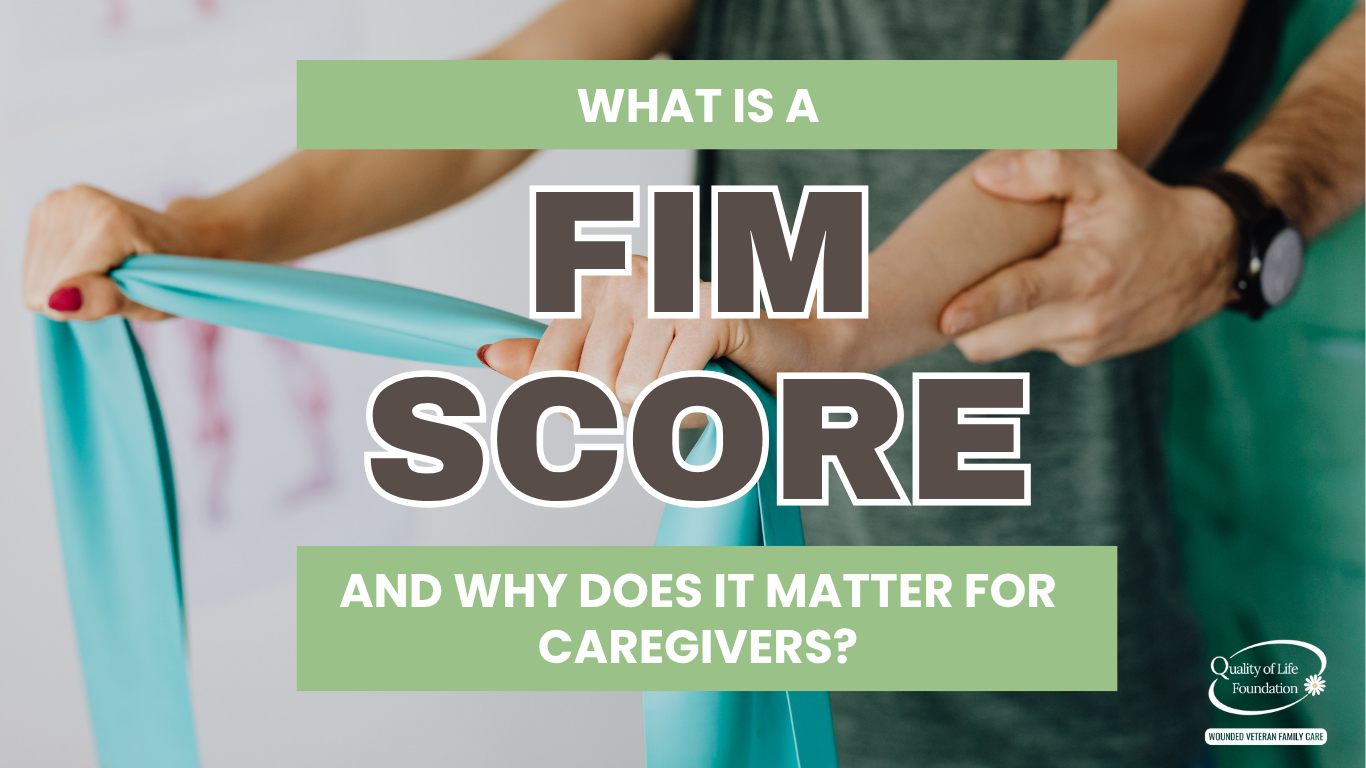
The Functional Independence Measure, or FIM, is used to assess the level of assistance a person needs to complete everyday tasks such as bathing, dressing, eating, and mobility. For caregivers, this score can help demonstrate the level of support a veteran truly requires.
Who should get a FIM score?
Veterans who need to qualify for PCAFC benefits based on ADL assistance.
Who provides it?
A FIM score is typically completed by Occupational Therapy (OT). While Physical Therapy (PT) is important, PT alone usually does not provide this assessment. Caregivers should specifically request a referral to OT to see if there is equipment or technology that can improve the Veteran’s safety and independence and a FIM evaluation.
How should it be done?
While FIM scores can be based on self-report, observation is key. The most credible and effective assessments happen when an OT provider directly observes the Veteran performing or attempting daily tasks. This type of documentation is often more helpful, especially if the case is reviewed or appealed.
A Barthel Index may also be used, but a FIM score is generally more detailed and can better reflect the veteran’s needs.
How to request one:
- Ask your provider for a referral to Occupational Therapy
- During the appointment, request a FIM score
- Make sure the evaluation includes observed performance, not just self-report
Getting the right evaluation can make a meaningful difference. For caregivers advocating on behalf of a Veteran, having clear and accurate documentation is one more way to ensure their needs are fully recognized.